In order to be able to display video content from Vimeo, we use cookies on this site. Vimeo may collect personal data for analytical purposes. By clicking “Accept”, you agree to this data processing. Further information and the option to withdraw your consent can be found in our Privacy statement.

Permanent Exhibition

In the permanent exhibition of the Museum Center for Persecuted Arts, you can discover works of art, stories, and fates from the first half of the last century that were either lost, thought to be lost, or largely ignored. The holdings of the Civic Foundation for Persecuted Arts—Else Lasker-Schüler Center—Gerhard Schneider Art Collection include works of various genres by artists whose works and opportunities for development and were blocked, prevented or destroyed by wars, dictatorships of the last century, and totalitarian regimes up to the present day.

Special emphasis is placed on the works of artists who were persecuted by the National Socialists between 1933 and 1945. With drawings and collages by Else Lasker-Schüler, the collection includes works of art that were virtually forgotten for a long time—a fate experienced by many artists after 1945, which is addressed in our permanent exhibition through the works and stories of various individuals. Camp drawings, such as those by Carl Rabus, Leo Breuer, and Eric Isenburger, and their stories bear witness to the suffering experienced at the time, as well as to artistic self-empowerment and survival strategies. Other works in the collection, such as those by Erich Mühsam, Ernst Toller, Irmgard Keun, Hugo Sonnenschein, and Mascha Kaléko, tell of life in exile or of artistic resistance. A collection of contemporary works on the themes of flight, persecution, and resistance illustrates the topicality of the subject. In addition to preservation, conservation, education, and exhibition, research is a fifth focus of our work.

Discovered Modernism — The Art Collection

The majority of the Civic Foundation’s works come from the collection of Dr. Gerhard Schneider. The overarching theme of the collection is the development of art in Germany from 1910 to about 1945. The period after the Second World War up to the 1980s is exemplified by a number of representative examples, especially from the territory of the former GDR.

The approximately 10,000 works compiled by the collector to date are “artistic visual documents of current events in the 20th century.” They paradigmatically reflect their time: from the outbreak of the First World War to the subsequent revolution, the social tensions of the 1920s and early 1930s, the atrocities of the Nazi regime and the Second World War, the consequences of the division of Germany, and art in the GDR.

After 1945, the younger generation of modern artists active during the Weimar Republic, those born roughly between 1890 and 1910, were largely forgotten. The collector Gerhard Schneider has pursued these forgotten modern artists, making their works and lives once again accessible to the public. The various collection catalogues published since 1999 present a wealth of previously lostworks of art.

Heaven and Hell
between 1918 and 1989

The Literary Collection of Jürgen Serke

The literary collection of the Civic Foundation for Persecuted Arts –Else Lasker-Schüler Center–Gerhard Schneider Art Collection brings together writers who resisted the dictatorships of the twentieth century—collected and rediscovered by the journalist and author Jürgen Serke. At the end of the 1960s, Serke’s commitment to the artistic resistance against the Nazi regime and communism, which initially began as a private fascination, became a vocation. With his book Die verbrannten Dichter (The Burned Poets, 1977), Jürgen Serke initiated the rediscovery in the Federal Republic of Germany of those authors whose works were burned by the Nazis in Berlin in 1933. The title of his book became a generic term for an entire literary genre.

In2008, Jürgen Serke’s literary collection was acquired by the ElseLasker-Schüler Foundation and is on permanent display in the Museum Center for Persecuted Arts under the title Heaven and Hell between 1918 and 1989: The Burned Poets. Jürgen Serke collected the objects, books, and photos brough together here in the course of his research and created a literaryand cultural history for our museum of discovery that goes beyond the canon of textbooks.

Latest news

Landscape on Hanna Melnykova's path from Germany to Ukraine. Photo: Hanna Melnykova
10/8/26
11/8/26

Temporary Exhibition

:

Lifelines. Across borders

An art project by Hanna Melnykova

In the summer of 2025, photo artist Hanna Melnykova emigrated from Germany to Ukraine. The Museum Center for Persecuted Arts is showing the photographic documentation of their performative walk.

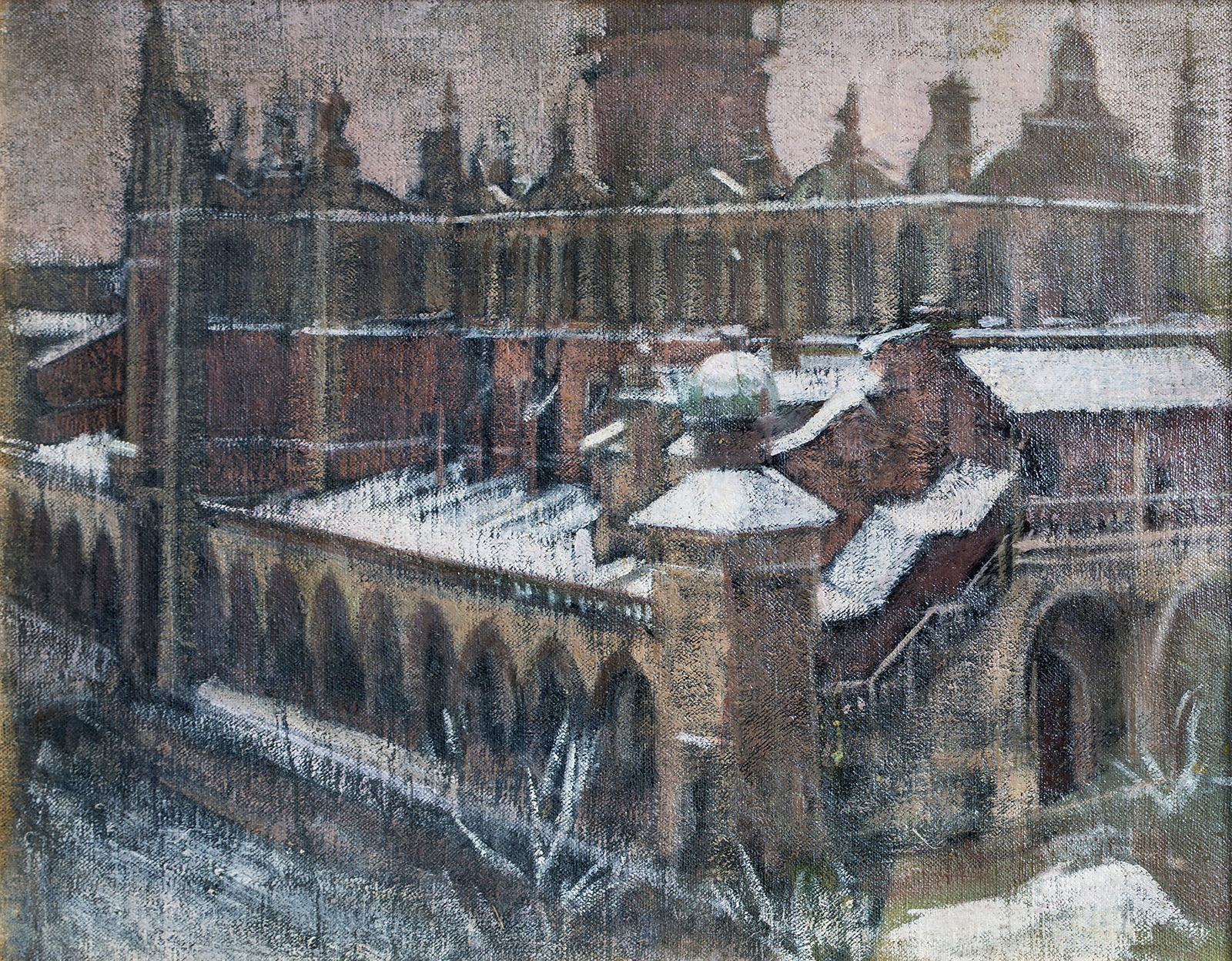
Marian Ruzamski, Cloth Halls Kraków/Still Life (work on both sides), 1921, oil on canvas, private collection
4/9/26
4/13/26

Excursion

:

Encountering the past — art and memory in Krakow and Auschwitz

Study and remembrance trip to Poland

The Center for Persecuted Arts offers from April 9 to 12/13, 2026 on the occasion of the exhibition “Marian Ruzamski. Art of Remembrance” in Krakow a guided study trip to Poland.

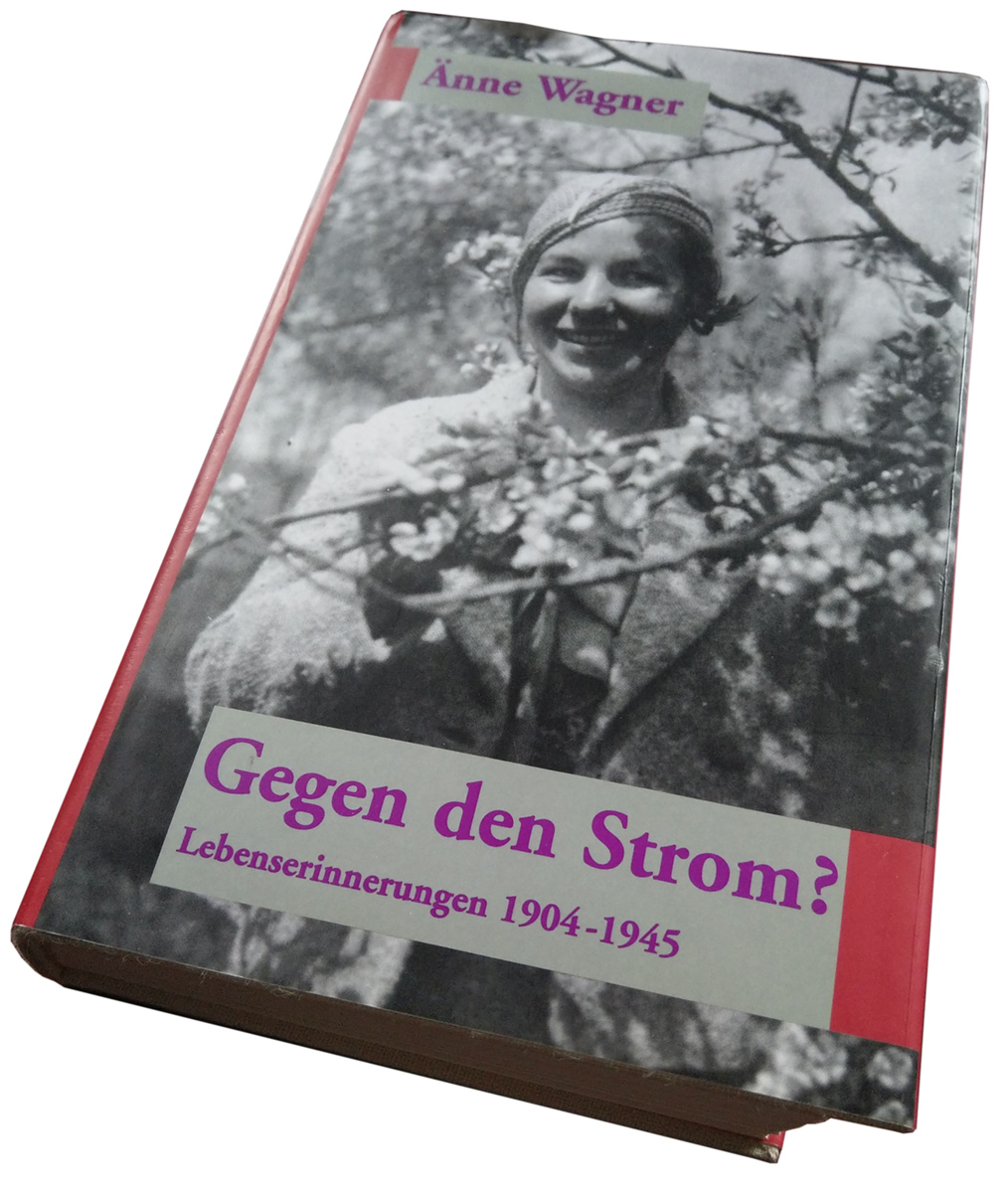
Biography “Against the tide? Memoirs 1904—1945”, Solingen 2000. The cover photo shows Änne Wagner in 1934.
4/16/26

Vernissage

:

“Änne Wagner” exhibition

Biographical and artistic engagement with a Solingen eyewitness

Students from the Humboldtgymnasium present collages, sketches for graphic novels and texts that were created as a result of dealing with the biography of Änne Wagner.